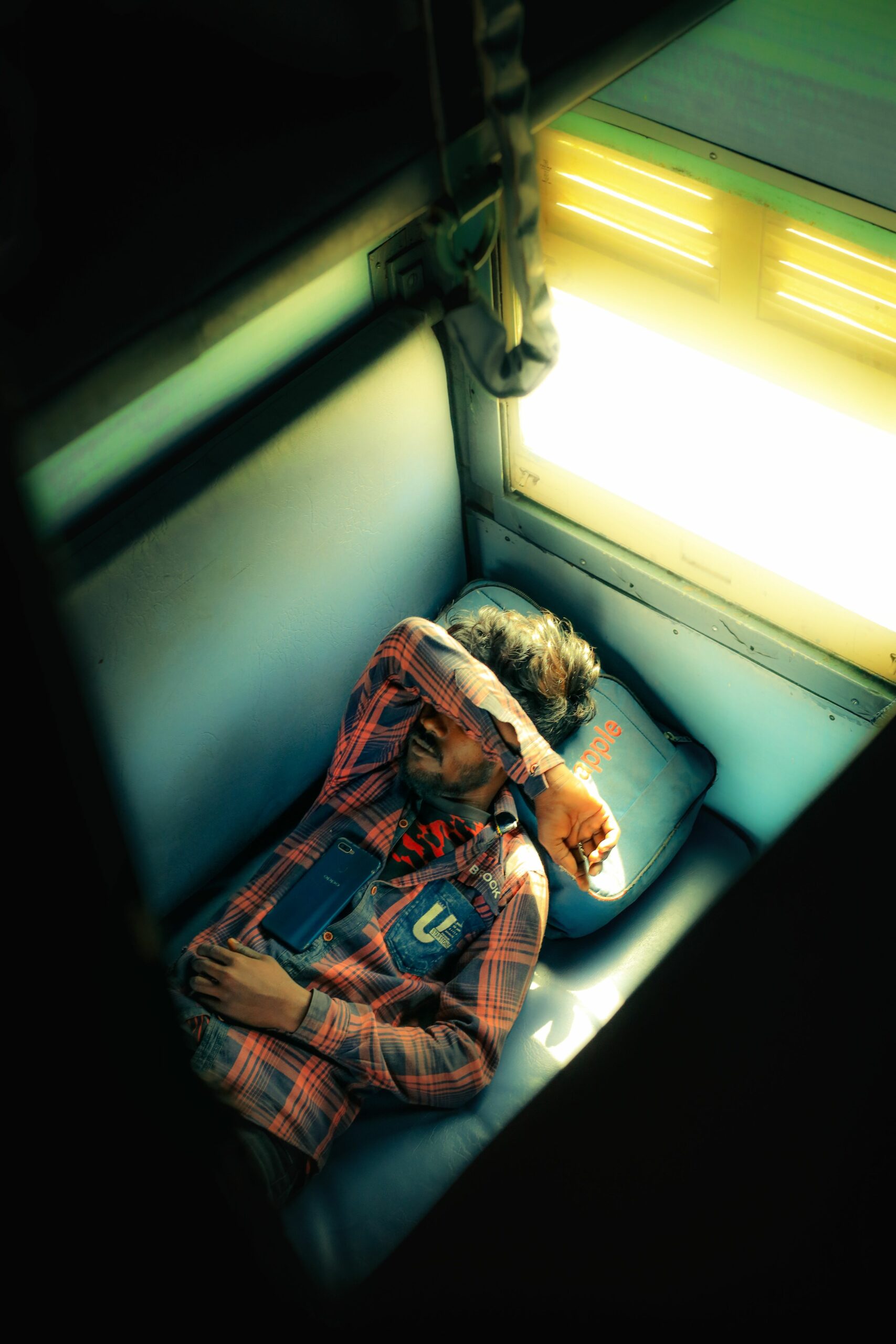
While we do not have an exact figure, global estimates suggest that about 50% to 70% of the working population is burned out. And while you might think that people who have been working the longest would be most affected, the statistics show that younger generations are most affected. Over 50% of working Gen Z and younger millennials are so burned out that they reach their peak exhausted by 25. That alone could explain why many of them are actively seeking less stressful lifestyles and choosing to move to Spain and other regions with a slower way of life. But are these lifestyles really as stress-relieving as they have been purported to be?
The Reality of the Spanish Lifestyle Cure
Even though it may not look or feel like it, our bodies are actually machines, and if we look at them from this angle, everything changes. Why? Well, to answer this, let us use the context of an airplane. If an airline takes the time to repair, maintain, and overhaul the airplane’s parts through services such as those offered by magneticengines.co, then the airplane works optimally. But if they neglect the plane, even something as small as a missing bolt can cause mayhem.
Our bodies work the same way. With our intricate internal systems, an imbalance as small as adrenal failure can result in issues such as exhaustion, irritability, and illness. And while it might be easy to think these symptoms result from an external problem, such as exposure to allergens, the causes are often linked to our lifestyles. But that is exactly where the Spanish way of life comes into the picture because it prompts us to do the following:
Get Enough Rest
The average person works 38 to 44 hours each week. However, many people work hours above this range. In the medical industry, for example, residents can log more than 80 hours a week. People in tech are also known to work an average of over 70 hours a week, while those in informal sectors like street vending can work over 100 hours a week. While working long hours is often associated with higher chances of success and more money, it also puts people at high risk of burnout because they have very little downtime.
Spain, unlike most nations, prioritises rest. Most people working in the country average 40 hours a week and are entitled to overtime pay as well as a minimum of 22 paid working days of annual leave. At the same time, the government has been advocating for reducing working hours to 37.5 hours without a reduction in pay, to further enable its population to rest.
Beyond the legislation, you also find that Spain has a tradition of slow afternoons and siestas, in which people are encouraged to step back from work and relax. Being in such environments forces you, too, to pause, allowing your body to recharge instead of running constantly.
Connect With People
People dealing with burnout often feel isolated for various reasons, including:
- They tend to keep to themselves as they do not have the energy to carry on a conversation;
- They may be feeling apathetic, such that interacting with other people does not feel fulfilling;
- They could be dealing with the shame or guilt of being unable to cope with their demanding work;
- They might be pretending to be okay, which can be just as draining as their work.
As such, you find that many people dealing with burnout also tend to have limited social interactions, either in quality or quantity. But that is not the case in Spain.
Rather than encouraging people to retreat when they are at their lowest, people love coming together, be it in meetings, gatherings, meals, or community events, where they can interact openly. The more you take part in these events, the more you feel emotionally supported and the more you feel like you are part of a community that values you beyond your work.
Source link ← Back to News